



























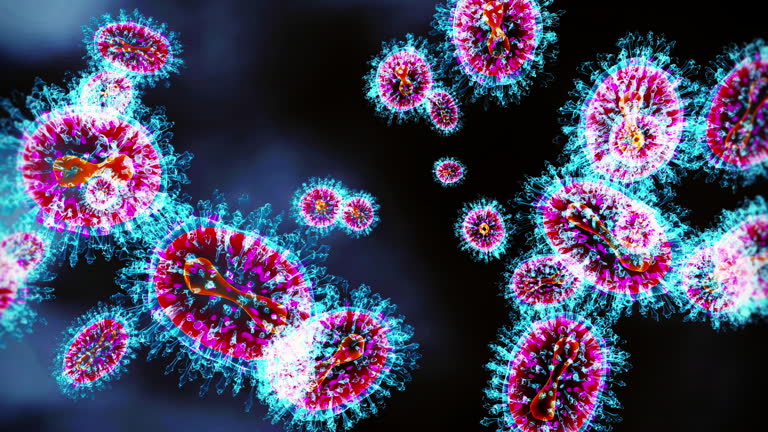
With the outbreak of the Ebola Virus Fever epidemic in D.R. Congo resulting in several deaths, the world should activate preventive measures. There have always been several myths about the causes and cure of the disease.
Ebola fever has no cure. Vaccines have been developed for just one strain of the virus; consequently, prevention is key.
Below are some facts about the disease.
1. Incubation period is 2 to 21 days.The time between when someone is infected by the virus and when he/she begins to have symptoms of the disease is called the incubation period. The incubation period of Ebola fever is 2 to 21 days. After 21 days without showing any sign, it means the person is free from the infection.
2. Ebola fever spreads through contact with body fluids.
Ebola fever spreads through contact with the body fluids of an infected person or animal.
Body fluids that may contain the Ebola virus include: sweat, saliva, nasal discharge, tears, blood, vomit, stool, and semen.
The virus enters the body through broken skin, the eyes, vagina, nostrils, and mouth.
3. Ebola fever can be contracted through sex. Even when a man has recovered from Ebola Virus Fever infection, the semen may still contain the virus for about seven (7) weeks afterward, and he can pass the virus to his spouse through sex during this period.
4. Bitter kola DOES NOT cure Ebola fever.
Some research was done some years ago on the possible use of bitter kola in the treatment of Ebola fever by Prof. Maurice Iwu, but the research is still far from conclusion. Further work is required. Therefore, bitter kola is not a cure for Ebola fever.
5. Ebola fever is NOT airborne. Ebola fever is not an airborne disease; that is, the virus is not carried through the air from one person to another. However, if you are within about 3 feet of an infected person and that person sneezes or coughs and the droplets land in your nostrils, you could contract the disease.
6. Salt water bath DOES NOT cure Ebola fever. A salt water bath does not cure the disease, and there is no scientific basis to support such a claim. The virus is present in body fluids, including sweat, but the virus causes damage within the body, not on the surface of the skin. The infected person may bleed into and under the skin, resulting in swellings. Therefore, bathing with salt water cannot have any curative effect on the illness.