















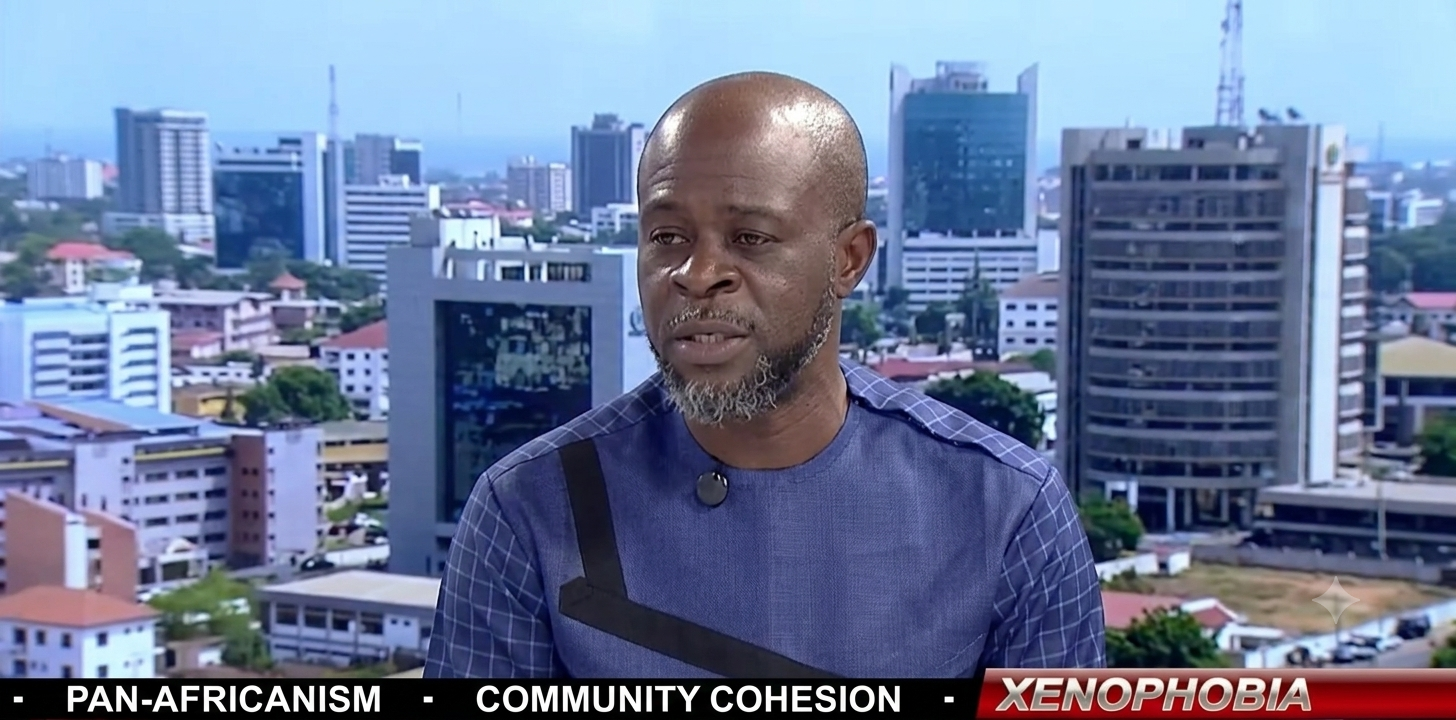
A Nigerian returnee from South Africa, Itoro Richard, has recounted how he abandoned his home, business, vehicles, and other properties to escape persistent xenophobic threats against his life, saying he returned to Nigeria with nothing but “to be alive.”
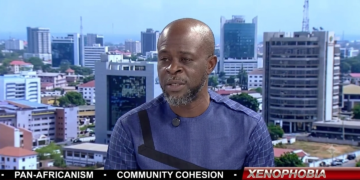
Speaking during an interview on Arise News Television, Richard said he left South Africa after receiving repeated death threats and fearing he would become another victim of the wave of xenophobic violence targeting foreign nationals, particularly Nigerians and other African migrants.
According to him, hostility towards Nigerians stemmed partly from resentment over their economic success despite their arriving in South Africa with little.
“One of the issues that caused the divide between us and South Africans is that they could not understand how we came to their country with nothing and still managed to build wealth,” he said.
“They resented that we were so smart and resilient. My experience in South Africa was bad, not because my business was struggling, but because of the hatred from some South Africans simply because I am Nigerian.”
Richard also alleged that his South African wife faced intimidation over their marriage.
“My South African wife was even told she would be arrested for marrying a foreign national,” he said.
Narrating the events that forced him to flee, Richard said he began receiving direct threats from individuals in his neighbourhood, including a petrol station attendant who allegedly vowed to kill him.
“Someone said to be forewarned is to be forearmed, and I left because of a lot of physical threats,” he said.
“There was a guy at the petrol station where I bought fuel. He told me, ‘Come the 30th, you will see a different me.’ He threatened to sever my head and said he would kill me and do terrible things to my family.”
Richard said his landlord, whom he described as a Zulu man and former anti-apartheid activist, warned him that the threats should be taken seriously.
“He told me these were just a few rotten eggs, but he advised me to leave my house,” Richard recalled.
According to him, he narrowly escaped death after spending a night away from home.
He said the following morning, two Malawian neighbours were allegedly killed in a brutal attack.
“I went there to see what happened, but it was too gruesome. One was mauled, the other was hit with bricks. The police were there, and I was told I would be next and that my house would also be destroyed,” he said.
Faced with an imminent threat to his life, Richard said he was forced to dispose of his assets at a huge loss and relocate his family to a secret location.
“I sell cars. I had two vehicles, and I had a house under a mortgage. One of the vehicles was vandalised, and I had to sell the other one cheaply just to move my family to safety,” he said.
“I even hired movers from another suburb because I didn’t want anyone in my area to know where my wife had relocated.”
He further alleged that even after relocating, his wife continued to face harassment over her marriage to a Nigerian.
“She called me and said people were questioning her, asking why she married a Nigerian,” he said.
Richard also claimed he received repeated death threats through social media.
“They went as far as my Facebook page to say that if I don’t leave vertically, I would leave horizontally, that I would end up in a body bag,” he said.
Describing the difficult decision to abandon his life in South Africa, Richard said preserving his life became more important than protecting his investments.
“I had to take my life first and come back home because home is the right place where I’m supposed to be,” he said.
“I left everything behind. The house was abandoned because I could no longer continue paying the mortgage. My cars, my properties, my business, and the car stand where I displayed vehicles, I abandoned every single thing.”
“As I’m talking to you today, I came home empty-handed just to get to the airport and be alive.”
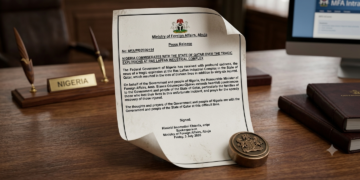
Richard’s account comes amid escalating xenophobic attacks against foreign nationals in South Africa, including violent killings and intimidation of African migrants, including Nigerians.
His testimony has added to growing calls by Nigerian groups for stronger diplomatic engagement and improved protection for Nigerian citizens living in the country.
Source: Sahara Reporters