




























The NHS has approved the world’s first drug to delay the onset of Type 1 diabetes for three years. The drug was given the green light on Tuesday (June 23), marking the biggest diabetes breakthrough in more than 100 years.
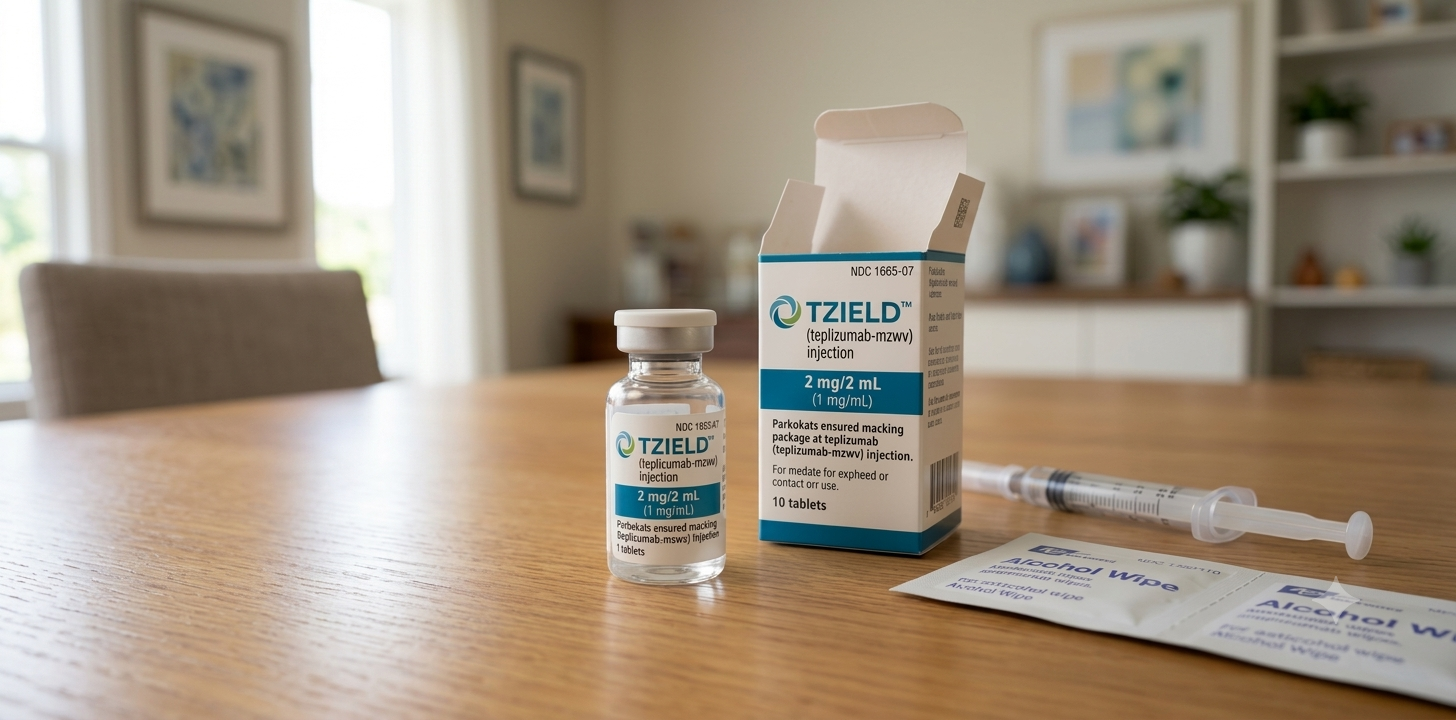
Type 1 diabetes is a lifelong condition where your immune system destroys healthy cells in your pancreas, which stops the organ from producing insulin. Around 464,000 people live with the disease in the UK, accounting for roughly 8% of all diabetes diagnoses in the nation. It has now been confirmed that teplizumab will be made available on the NHS in England and Wales. According to the National Institute for Health and Care Excellence (NICE), the drug does not cure Type 1 diabetes but can delay the onset for three years.
The drug slows the destruction of insulin-producing pancreatic cells. It is authorised for people aged eight and older who have Stage 2 Type 1 diabetes.
While those in Stage 2 do not yet have symptoms, blood tests prove that the immune system has begun attacking your body, and diabetes is therefore likely to develop.
Dr Elizabeth Robertson, director of research at the charity Diabetes UK, said the “landmark approval of teplizumab marks the start of a new age of Type 1 diabetes treatment. For the first time in 100 years, we are moving beyond insulin, with a medicine that targets the root cause of the condition.
“This is an extraordinary moment for celebration in the Type 1 diabetes community, and represents a shift towards a future where type 1 diabetes can be prevented altogether.”
She added: “Detecting Type 1 diabetes early, before symptoms appear, is key to unlocking these benefits and our focus now is ensuring fair and equitable access for everyone who is eligible.”
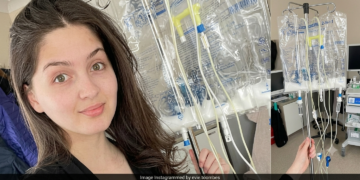
The teplizumab dose starts low and increases gradually. It is given through a drip into a vein once a day, which takes about 30 minutes, for 14 days in a row.
Helen Knight, director of medicines evaluation at NICE, said: “This is a genuinely exciting recommendation. For the first time, we have a treatment that can give people diagnosed at an early stage of type 1 diabetes precious extra time before they need to manage the full demands of the condition.”
Karen Addington, chief executive of the diabetes charity Breakthrough T1D, added: “For the first time, we have an immunotherapy that can delay the onset of symptomatic type 1 diabetes. If it were your child or someone you love, you would want to do everything possible to give them more years without the daily burden of managing this relentless condition. We now have a treatment that can help make that possible.”
Source: Opera News