























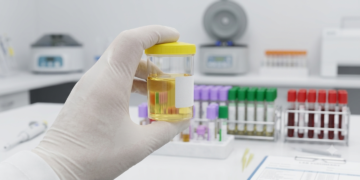

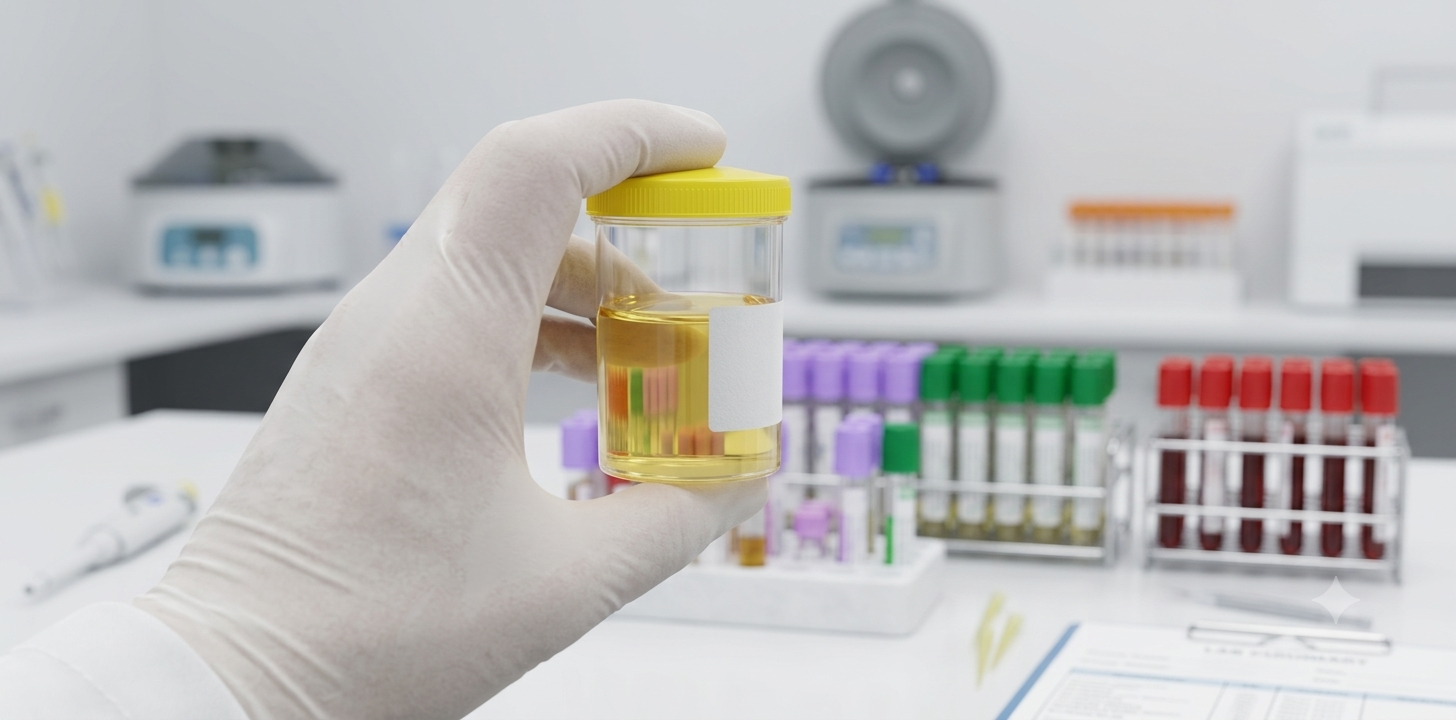
An emerging urine test has proved to be more accurate than conventional methods in detecting bladder and prostate cancers, while providing patients with a less painful and invasive screening option for prostate and kidney cancers.
A Singapore study launched in 2025 showed that urine liquid biopsy is highly effective in detecting bladder cancer. It also enhances the detection of cancer in the prostate and kidneys due to their proximity to the urinary tract.
Such a biopsy looks for microscopic genetic fragments of tumours shed into the urine. This helps the research team identify cancer-associated changes in 92.3 per cent of bladder cancer cases.
Seven in 10 cases of bladder cancer detected were of higher risk, compared with the three in 10 cases found using conventional urine cytology. This method involves a pathologist examining urine under a microscope to detect the presence of cancerous or precancerous cells shed from the urinary tract.
The study found that for prostate cancer, analysing RNA – a molecule that carries genetic instructions – in urine samples increased cancer detection to 40 per cent. This represented a significant jump from the 6.7 per cent detection rate achieved by analysing only DNA in the sample.
Urine liquid biopsy also demonstrated improved detection of kidney cancer, although the overall sensitivity remained modest at 14.3 per cent.
These findings were presented at the American Society of Clinical Oncology Singapore Conference 2026 in June.
Tan Min-Han, founding chief executive and medical director of Lucence, a precision health company that was part of the research, said: “The liquid biopsy primarily tests circulating DNA and RNA fragments in the urine. It provides us with a non-invasive profile of certain organs and their activity. When the urine is tested for these fragments, it allows us to (detect)… cancer earlier and less invasively than other options.”
Lucence conducted the research with the Singapore General Hospital (SGH) and the Diagnostics Development Hub (DxD Hub), a national platform hosted by A*STAR to evaluate the effectiveness of urine liquid biopsy for stage one and two urological cancers.
A total of 120 participants aged 40 years and above, with suspected or confirmed bladder, kidney and prostate cancers, were recruited from SGH. They included patients undergoing tumour removal or biopsy for bladder and kidney cancers, as well as those with suspected prostate cancer who were scheduled to have tissue samples taken for biopsy.
The study’s principal investigator Kenneth Chen said: “These findings demonstrate that urine is a feasible, robust specimen for the early detection of urological cancers, especially bladder cancer.
“We hope a single, simple, non-invasive screening method like a urine test that many are familiar with will lead to more proactive screening, especially for those at higher risk of developing these cancers.”
Chen, a senior consultant in the department of urology at SGH, said there are several reasons why many patients are reluctant to undergo screening.
One reason is the invasiveness of procedures and the lengthy diagnostic process.
“The digital rectal examination is certainly not a comfortable examination for any male. As a test on its own, it is not very effective and reliable and will miss more than half of early prostate cancers,” Chen said.
The urine liquid biopsy is “an attractive and convenient alternative to invasive testing such as blood drawing or an endoscopic check of the bladder”, he added.
DxD Hub CEO Weng Ruifen said the collaboration is “a strong example of what public and private partnerships can achieve in translating promising science into practical solutions for patients”.
The next step is to conduct larger studies to further optimise and validate the approach, Weng said.
“While the initial findings are encouraging, the technology remains in the validation phase… The timeline for clinical deployment will depend on the outcomes of these studies and the development work required to translate the test into a clinically deployable product,” she added.
Chen said the next step could also “identify which patients and in what scenarios would the test perform best and be most beneficial”
Source: The Straits Times