




























The Nigeria Centre for Disease Control and Prevention (NCDC) on Sunday raised concern that Nigeria is at high risk of Ebola Virus Disease importation, even as it confirmed that no case has been recorded in the country in connection with the ongoing outbreak in Central Africa.
Disclosing this in its Ebola update, the Director-General of the NCDC, Dr. Jide Idris, said the assessment done by NCDC follows increasing cases in the Democratic Republic of Congo and Uganda, and the World Health Organisation’s (WHO) declaration of a Public Health Emergency of International Concern (PHEIC).
According to him, Nigeria’s dynamic risk assessment places the country at high risk due to international travel, population movement, and the challenge of early detection because Ebola symptoms often resemble malaria and Lassa fever.
“Our risk assessment indicates a high risk of importation into Nigeria given ongoing transmission in affected countries and population movement,” Idris said.
He, however, stressed that Nigeria has recorded no confirmed Ebola case linked to the current outbreak.
The NCDC said high-risk states, border communities, major transport hubs and Points of Entry have been identified for intensified surveillance and monitoring.
It added that the National Emergency Operations Centre (EOC) has been placed on alert mode, while the Incident Management System (IMS) has been activated to coordinate national preparedness and response.
Epidemiologists and Rapid Response Teams, the agency said, are on standby for immediate deployment to any state in the event of suspected cases.
Idris said coordination has been strengthened with State Ministries of Health, Port Health Services and relevant federal agencies to ensure early detection and rapid response across the country.
The agency also said event-based surveillance has been intensified nationwide to detect unusual public health events, including alerts and rumours from communities and health facilities.
“Enhanced monitoring is also ongoing at international Points of Entry and border communities.”
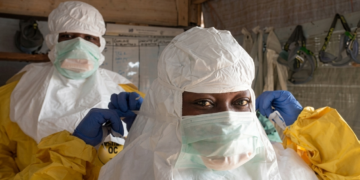
The NCDC said Infection Prevention and Control (IPC) readiness tools have been deployed to health facilities, with refresher training ongoing for healthcare workers on early identification and isolation of suspected cases.
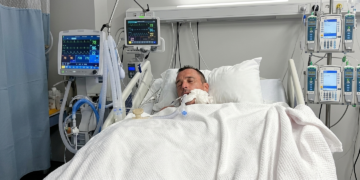
He said States have been advised to strengthen isolation centres, bed capacity, referral systems, logistics, and stockpiles of essential supplies including Personal Protective Equipment (PPEs).
On laboratory preparedness, the agency said testing capacity exists in key states, particularly those with international entry points, with strengthened systems for sample collection, transport and referral.
It added that coordination with Viral Haemorrhagic Fever laboratories across the country remains active to ensure rapid confirmation of suspected cases.
The NCDC also warned against misinformation, saying it has intensified risk communication and social listening to ensure accurate public information.
“We are strengthening systems to ensure timely and trusted information reaches Nigerians while reducing panic and misinformation,” the agency said.
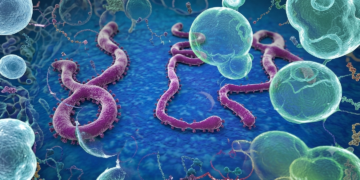
It reiterated that Ebola is not airborne, but spreads through direct contact with infected bodily fluids or contaminated materials.
Nigerians were urged to maintain hygiene, avoid self-medication, report suspected cases early, and avoid unsafe handling of bodies in cases of unexplained deaths.
Healthcare workers were also advised to maintain a high index of suspicion and strictly follow infection prevention protocols, including proper use of PPEs and early isolation of suspected cases.
The agency said Nigeria remains on heightened alert despite having no confirmed Ebola case linked to the ongoing outbreak.
The agency advised travellers returning from affected countries were advised to monitor their health for 21 days and report symptoms promptly to health authorities or call the national toll-free line 6232.
Source: vanguard